Our priorities
About: Why the Room Comes First
ReelRocketRostecl exists because too many home recordists spend their budget on equipment to solve problems that are really about placement, acoustics or workflow.
What we believe
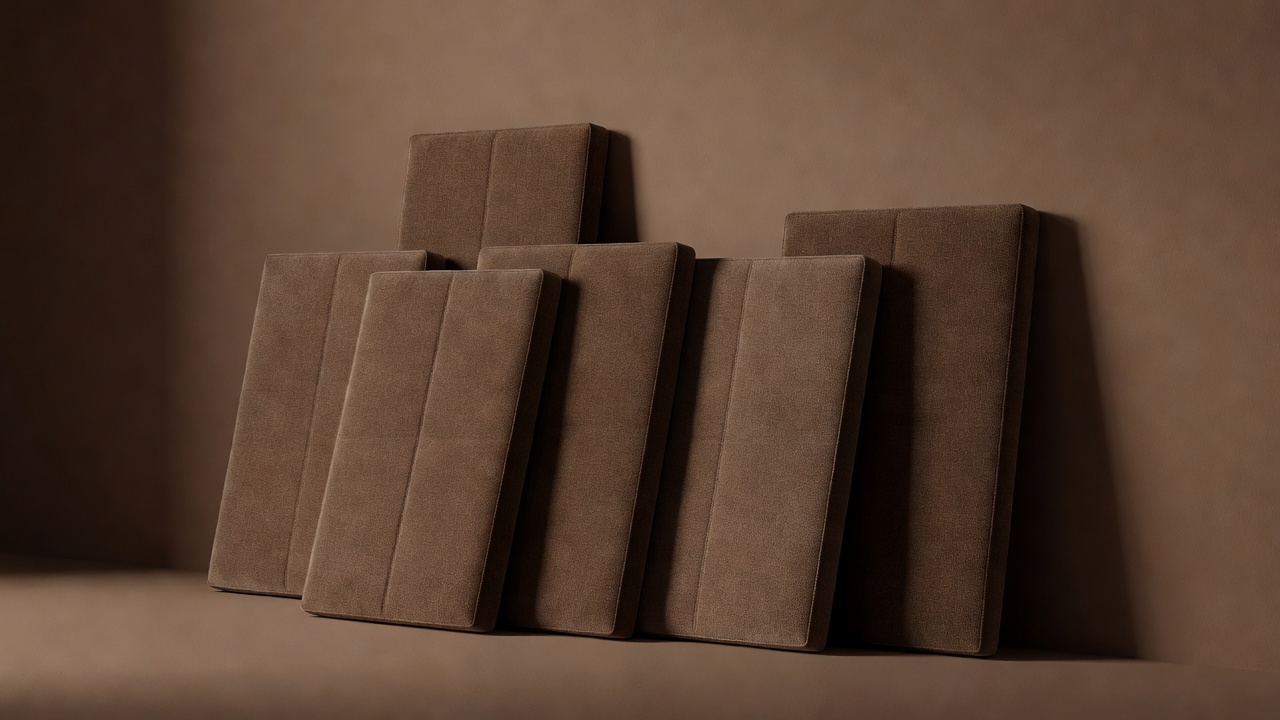
A modest interface, one well-chosen microphone and properly placed monitors in a treated corner will outperform an expensive collection in an untreated room. The order of decisions matters: room, monitoring, capture, workflow, and only then upgrades aimed at a specific bottleneck.
How we write
We explain why something works so you can adapt it to your own space. We describe equipment by use case, not by invented scores or rankings, and we name real products only as examples of a category. Specifications change, so we encourage you to check manufacturer documentation before buying.
Independence
We are not affiliated with any manufacturer, retailer or software company mentioned on this site. We do not accept payment for coverage, and the guides contain no affiliate links.
Sources we trust
Our guides draw on established references such as F. Alton Everest's Master Handbook of Acoustics, Mike Senior's Mixing Secrets for the Small Studio, Bob Katz's Mastering Audio, and standards including ITU-R BS.1770 and EBU R128.
Who this is for
Songwriters recording demos in a spare room, producers mixing on a laptop, podcasters in a shared flat, and anyone who wants their recordings to translate beyond their own headphones. If you have a small budget and a real space with real limits, these guides were written with you in mind.
Start with Room Setup, or describe your studio and tell us where you are stuck.